
Earth Day 2026
Improving sustainability in the built environment is not about a single design choice or standalone technologies, real impact comes from strategic designs made across the entire project lifecycle.
This Earth Day, we reaffirm our commitment to improving sustainability in the built environment by highlighting how we can help clients to reach this goal.
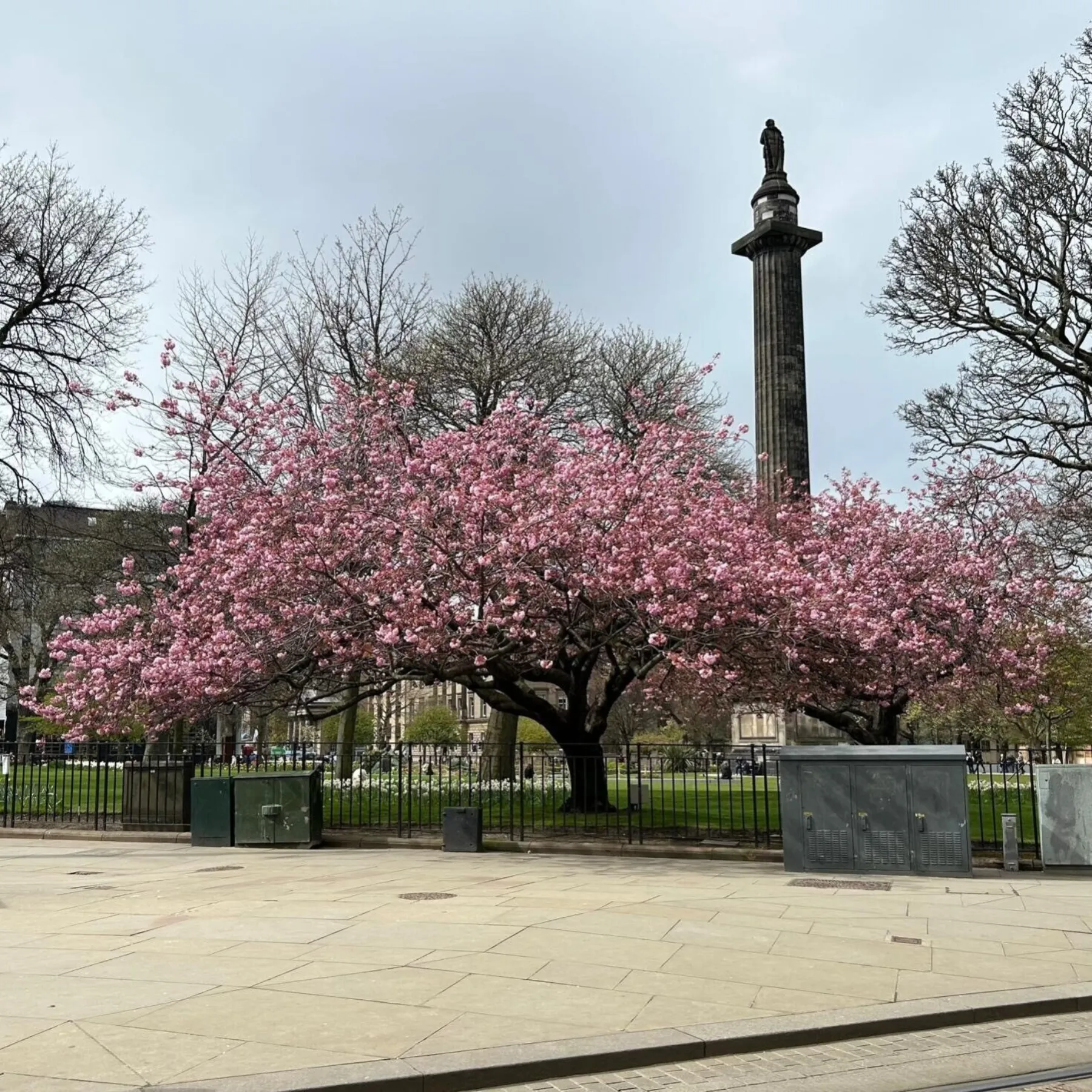
Whole-life thinking from the start
The most significant sustainability decisions are often made before a project reaches site. At feasibility and design stage, we support clients with whole‑life and life‑cycle cost advice, helping them understand the long‑term implications of early choices.
We undertake costed option appraisals to identify the most economically beneficial means of achieving the desired energy targets. By considering the running and maintenance costs over the lifecycle of each project, alongside the capital costs, the long-term benefits of robust and reliable materials and projects can be assessed.
Reducing carbon through informed design
Ensuring clarity and accountability we use a bespoke sustainability tracker, bringing together sustainability aspirations and targets, embodied and operational carbon outcomes, as well as tracking capital and operational costs, along with energy use and performance metrics. This creates a clear framework for collaboration between clients, designers and contractors, allowing trade‑offs to be understood and decisions to be justified.
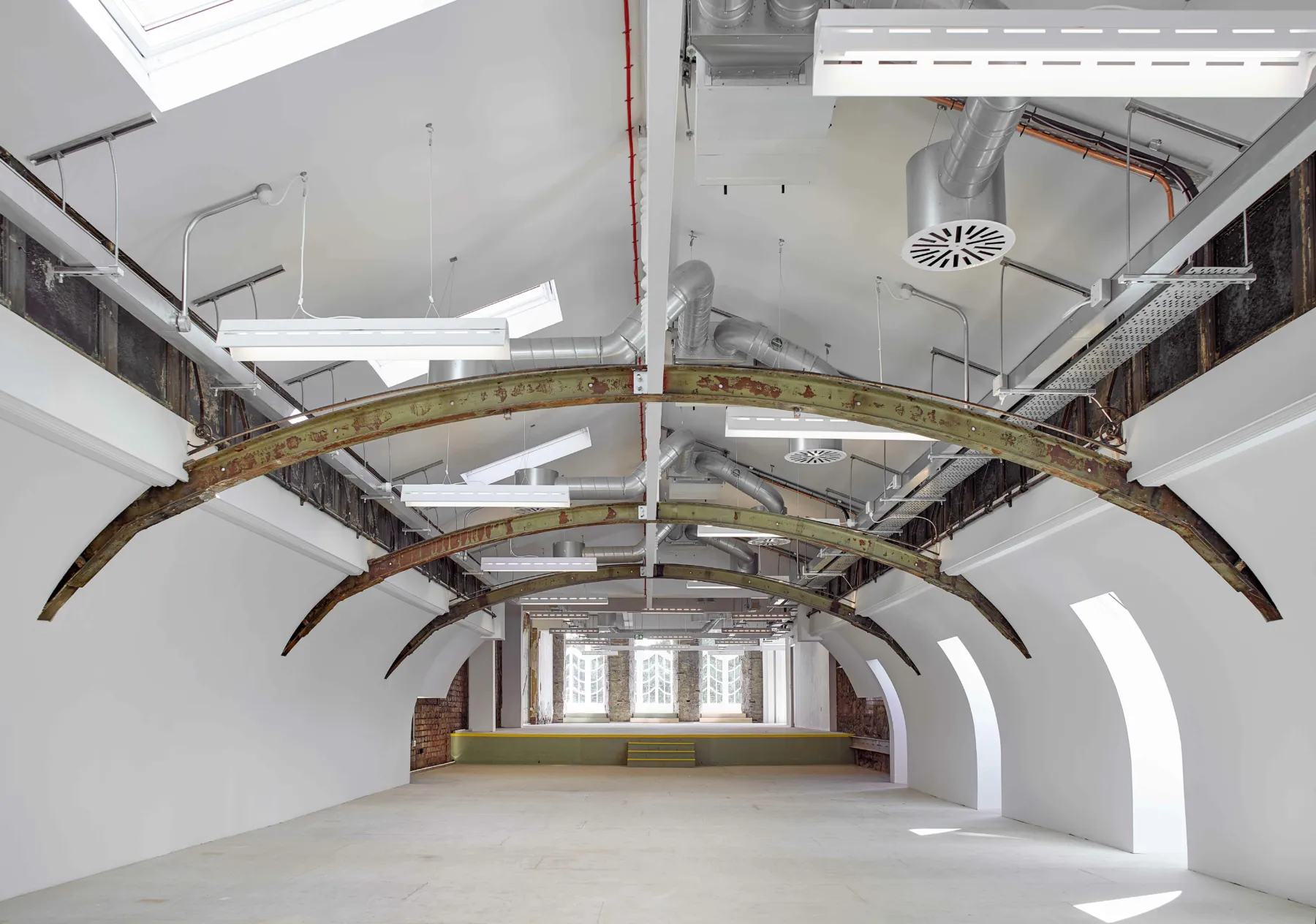
Ensuring longevity and value
Longevity and durability play a critical role in reducing whole‑life carbon and cost in use. We support project teams in assessing alternative materials and specifications by considering environmental impacts, including manufacture, transport and construction, along with broader factors such as noise, pollution and site impacts. Opportunities to maximise local materials and labour are also considered. Durable, low‑maintenance materials frequently offer lower total cost and carbon over the life of an asset, even where capital cost is slightly higher.
Component-level cost analysis
As designs develop, we carry out component‑level cost analysis on major elements of the build. This allows targeted investment to be assessed more clearly, demonstrating where design choices can improve performance and resilience, reduce ongoing maintenance and replacement costs, and deliver long-term value alongside sustainability benefits.
Consistent review and learning
Sustainability does not stop at completion. From a life‑cycle and maintenance perspective, we review completed projects to understand how assets perform in use. By comparing real‑world performance with life‑cycle models, we can assess whether sustainability outcomes have been achieved, identify lessons learned, and feed those insights back into future projects.
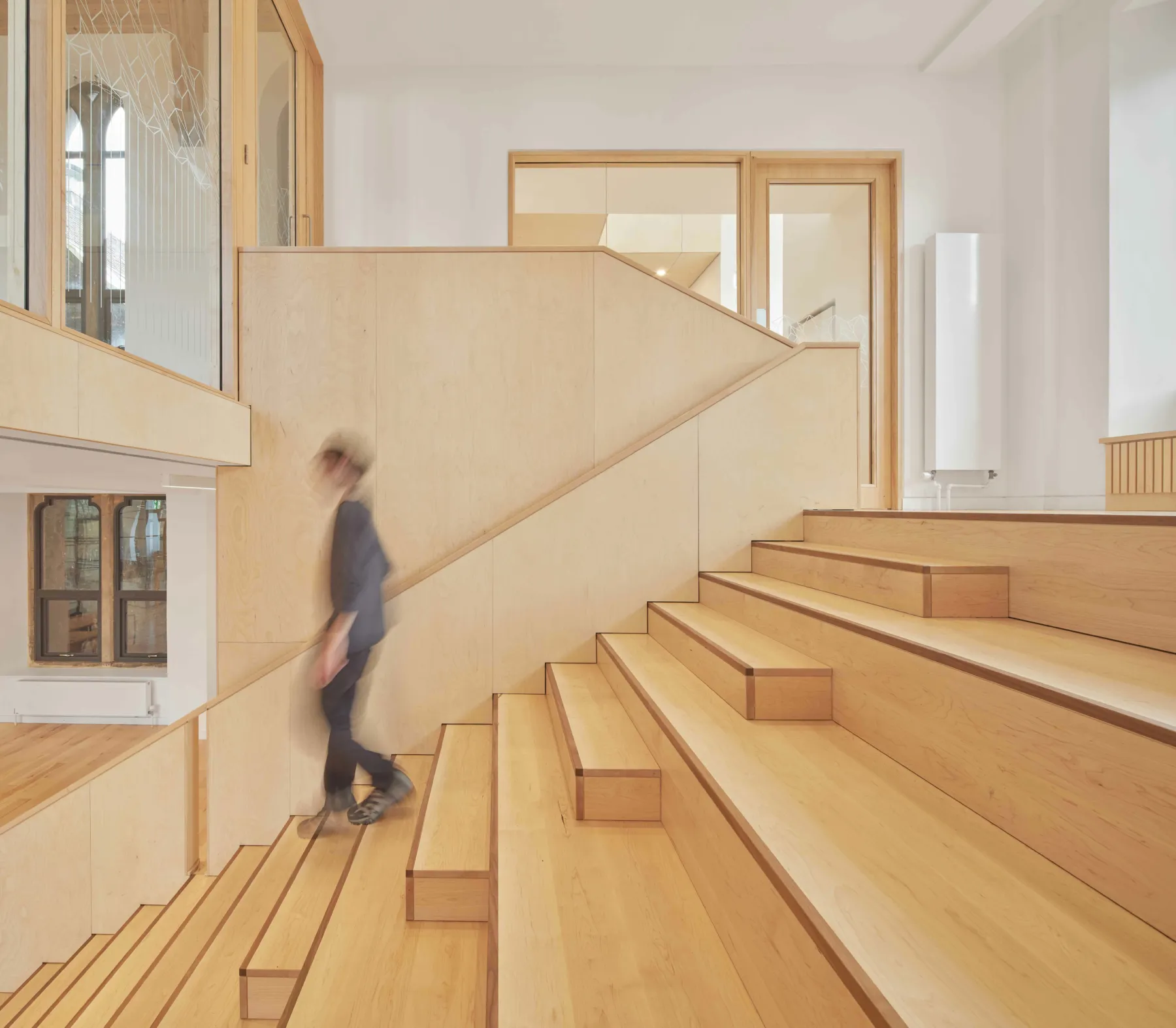
Whole‑life sustainability in the built environment requires balancing embodied and operational carbon, life‑cycle costs and long‑term performance. By considering these factors from early design through to occupation, projects can deliver more resilient, lower‑carbon outcomes over their full lifespan.
Going forward, we continue to welcome conversations with clients and project teams who want to explore how they can improve sustainability in projects.
Sign up for news
Receive email updates from Thomson Gray direct to your inbox:
- Subscribe to Practice News
- Subscribe to Market Outlook